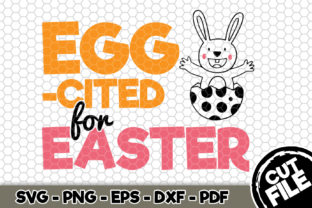
Egg-Cited for Easter Embroidery Review
As a designer who spends more time looking at stitch lines than actual eggs, I approach every new digital asset with a healthy dose of skepticism. The market is flooded with generic holiday graphics, and finding a design that balances cuteness with technical viability is rare. Recently, I pulled Egg-Cited for Easter from the Crafts and Graphics category to test its viability for real-world application. My goal was simple: determine if this file works just as well on a hoop as it does on a screen, and whether it has the staying power to elevate a handmade product line or a personalized gift.
First Impressions and Visual Personality
The title alone sets a playful tone, but does the visual execution back it up? From a pure aesthetic standpoint, Egg-Cited for Easter leans heavily into the "kids Easter quote" vibe. It feels bright, approachable, and intentionally informal. For an embroidery project, this is crucial. Unlike formal serif fonts that can look stiff when digitized, this layout invites a lighter touch in thread selection and placement.
The mood it creates is one of springtime renewal and family celebration. It doesn’t try to be high fashion; it tries to be warm. This makes it an ideal candidate for nursery decor, baby gifts, and casual apparel. When I first opened the file, my immediate thought was about contrast. Typography-heavy designs live or die by how clearly the letters read after stitching. Here, the lettering appears bold enough to hold its shape without becoming a dense block of color, which is a promising sign for stitch density management.
Real-World Application: The Tote Bag Test
To truly evaluate this design, I needed to imagine it in use. I visualized Egg-Cited for Easter applied to a natural canvas tote bag—a staple item for any craft business owner or Etsy seller. In this scenario, the design would likely serve as the central focal point on the front panel.
On a sturdy cotton canvas, the design would pop. The texture of the fabric complements the playful nature of the quote. However, I also considered a softer application, such as a sweatshirt embroidery piece for a toddler. On fleece or heavy cotton blends, the clean lines of the graphic would provide a nice break from the softness of the material. It transforms a basic blank garment into a boutique-quality item instantly. For small shop products like these, the perceived value increases significantly because the design feels custom-tailored rather than mass-produced.
I also pictured this on a kitchen towel or tea towel. Holiday embroidery is huge in the home goods sector, and a cheerful quote like this fits perfectly in a farmhouse-style kitchen. It’s functional art that customers are happy to display, which drives engagement and sales for digital product sellers looking to create printable mockups or physical finished products.
Where Caution Is Required
Not every surface is created equal, and there are specific areas where Egg-Cited for Easter requires careful handling. If you plan to place this on a curved surface, such as a baseball cap or a structured hat, you need to be mindful of distortion. While the text is robust, tight curves can stretch satin stitches, potentially causing puckering or misalignment. Always use a proper stabilizer and consider hooping techniques that minimize tension on the fabric.
Furthermore, avoid using this design on thin or highly textured fabrics unless you have tested it thoroughly. Thin materials may show backing through the stitches, while heavy textures might obscure the finer details of the lettering. Dark fabrics present another challenge; if the thread colors aren’t sufficiently light or contrasting, the design will get lost. I recommend running a black-and-white mockup of your chosen thread palette before committing to the final run to ensure readability.
Technical Considerations for Embroidery Designers
For those of us who care about the mechanics behind the magic, here are some practical notes based on typical performance standards for this type of graphic:
- Stitch Density: Keep an eye on the fill stitch areas. If the design uses too much density, it can become stiff and uncomfortable, especially on baby clothes or delicate apparel. You want the embroidery to feel integrated into the fabric, not glued on top of it.
- Hoop Size: Confirm the recommended hoop size before starting. A design that looks balanced on screen might feel cramped in a smaller hoop or lose impact in a larger one. Adjust scaling carefully to maintain proportion.
- Thread Colors: Since this is a graphics-based design, thread choice is critical. Pastels work well for a soft, spring look, while primary colors can make it feel more vibrant and child-friendly. Avoid muddying the colors with similar shades that lack contrast.
- Stabilizer Choice: Use a cut-away stabilizer for stretchy fabrics like sweatshirts or caps to prevent warping over time. For woven items like tote bags or aprons, a tear-away might suffice, but a wash-away offers the cleanest finish if budget allows.
Commercial Viability and Brand Consistency
For the commercial embroidery artist or the side-hustle crafter, the question is always: will this sell? Egg-Cited for Easter hits several key triggers for buyers. It is giftable, seasonal, and visually appealing. Personalized gifts are a massive market, and adding a name alongside this quote could create a premium product tier.
However, professionalism matters. Ensure your finished product looks polished. Clean threads, no loose ends, and precise alignment are non-negotiable for maintaining customer trust. If you are selling digital embroidery files, make sure your listing images accurately represent how the design looks stitched, not just how it looks in vector software. Transparency builds brand consistency and reduces returns.
Final Verdict
Overall, Egg-Cited for Easter is a solid addition to a spring collection. It is versatile enough for custom apparel, baby items, and home decor, provided you respect the technical limitations of different fabrics. It captures the joy of the season without being overly complex, making it accessible for both novice embroiderers and seasoned pros.
Before incorporating this into your craft business or holiday inventory, remember to test on scrap fabric, verify licensing terms for commercial use, and choose your thread colors wisely. When executed correctly, this design has the potential to be a standout piece in your lineup, driving engagement and delighting customers who appreciate thoughtful, handmade details.