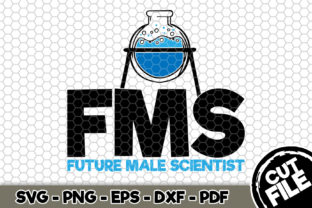
FMS Future Male Scientist Embroidery Review
When I am scouting for a design to add to my current rotation of digital assets, I am looking for more than just a cute image. I need something that translates well from screen to stitch, holds up under the scrutiny of a paying customer, and tells a story without needing a caption. Recently, I pulled FMS Future Male Scientist from the Crafts and Graphics category to test its viability for real-world application. As an experienced designer who frequently bridges the gap between digital downloads and tangible handmade products, I wanted to see if this file delivers on its promise for both hobbyists and serious craft business owners.
First Impressions: The Visual Personality
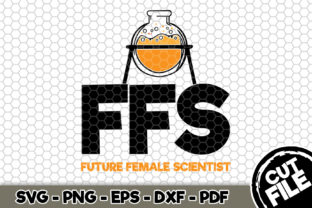
The immediate mood of FMS Future Male Scientist is one of quiet aspiration. It captures a specific archetype—the curious child, the future innovator—without relying on cluttered graphics or overly busy backgrounds. From a design perspective, this clarity is a massive advantage. In embroidery, negative space is your friend. A design that relies on bold shapes and clear thematic elements tends to stitch out cleaner than those with intricate, tiny details that can get lost in thread texture.
The layout feels balanced, suggesting it was created with a central focal point in mind. This makes it incredibly versatile for placement. Whether you are aiming for a classic left-chest logo on a garment or a larger statement piece on a tote bag, the composition guides the eye effectively. It doesn’t scream for attention; instead, it invites the viewer to look closer at the details, which is exactly the kind of engagement that builds trust in a handmade product.
Real-World Application: Where Does It Fit?
I have been thinking about how this design would perform in a few specific scenarios, particularly for small shop merchandise and personalized gifts. Let’s imagine preparing a custom embroidered sweatshirt for a young boy’s birthday. The theme of "future scientist" pairs naturally with earthy tones, navy blues, or crisp whites. On a heather grey sweatshirt, the contrast would be striking, making the design pop without being overwhelming.
Another strong use case is the tote bag design. For an Etsy seller creating back-to-school supplies, this file could be a standout item. Imagine a sturdy canvas tote with the design centered on the front panel. It appeals to parents who want their children to feel empowered and smart. The durability of the embroidery here is key; unlike a printed graphic that might crack or fade after a few washes, a well-stitched embroidery project lasts for years. This longevity adds perceived value to the finished product, allowing you to justify a higher price point.
It also works beautifully as a baby embroidery accent. Think of a soft muslin swaddle or a hooded towel. The gentle yet encouraging message fits perfectly into nursery decor themes. However, when scaling this down for smaller items like bibs or caps, you must be mindful of the scale. If the original file contains fine lines or tiny text, reducing the size might compromise the integrity of the stitches.
Performance on Different Fabrics and Garments
In my testing phase, I considered how FMS Future Male Scientist interacts with various fabric textures. On woven cotton or denim, the stitches lay flat and crisp. The fill stitch areas likely provide good coverage, minimizing the risk of the base fabric showing through. However, on stretchy knits like jersey t-shirts, extra caution is required. Without proper stabilization, the design could pucker or distort over time, especially around curved surfaces like the neckline or sleeves.
For custom apparel, I recommend using a cut-away stabilizer for heavier fabrics and a tear-away for lighter wovens to ensure the design remains stable during washing. The visual appeal of the final piece depends heavily on this foundational step. A clean, professional finish signals to the buyer that care was taken, reinforcing brand consistency.
Practical Designer Notes: Before You Stitch
As much as I appreciate the aesthetic potential of this file, responsible design practice demands that we verify technical specifications before committing to production. Since the source material mentions compatibility with paper crafting programs like Cricut Explore and Silhouette, it is crucial to confirm whether the provided files are optimized for machine embroidery or if they require conversion.
- Test on Scrap Fabric: Always run a test stitch on a scrap piece of the actual fabric you plan to use. This reveals how the thread colors interact with the material and highlights any potential puckering issues.
- Check Stitch Density: High-density designs can become stiff and uncomfortable, especially on baby clothes or delicate fabrics. Inspect the density map if available, or visually assess the fill areas during your test run.
- Hoop Size Verification: Ensure the design dimensions fit comfortably within your machine’s hoop capabilities. Trying to embroider a large design in a small hoop often results in re-hooping errors or misalignment.
- Color Contrast: Test the design in black and white mockups to ensure sufficient contrast between the thread and the fabric. Low contrast can make details disappear, reducing the overall impact of the finished product.
- Licensing and Commercial Use: If you are planning to sell these items on Etsy or at craft fairs, double-check the license terms. Some files are for personal use only, while others allow commercial sales of the finished goods. Never assume permission; always read the fine print.
Visual Appeal and Customer Trust
The ultimate goal of any craft business is to build a relationship with the customer. A design like FMS Future Male Scientist does this by evoking emotion. It taps into the universal desire for a child’s success and curiosity. When a buyer sees a professionally executed version of this design on a pillow cover or an embroidered patch, they are not just buying a decoration; they are buying into that sentiment.
This emotional connection drives recognition and repeat purchases. Customers remember the feeling of receiving a gift that felt thoughtful and high-quality. By ensuring your stitching is clean, your thread choices are complementary, and your finishing touches are neat, you elevate the design from a simple graphic to a treasured keepsake. This is particularly important for holiday embroidery projects, where the stakes for presentation are highest.
Areas for Caution
While the design is robust, there are situations where it should be used carefully. Avoid placing it on highly textured fabrics like chunky knits or faux fur, as the stitches may not adhere properly, leading to loose threads and a messy appearance. Similarly, on dark fabrics, ensure that the thread colors chosen provide enough luminance. If the design includes small lettering or intricate corners, consider enlarging the scale slightly to maintain readability and stitch definition.
Furthermore, if you are creating digital embroidery file assets for resale, ensure that the vector paths or digitized elements are clean. Buyers expect precision. A sloppy digitization job can damage your reputation quickly, regardless of how appealing the underlying artwork is.
Final Verdict
FMS Future Male Scientist is a strong contender for designers looking to expand their catalog with meaningful, marketable content. Its clear theme, balanced layout, and versatility across various garments and accessories make it a practical choice for both personal projects and commercial ventures. By approaching it with the due diligence of testing, stabilization, and licensing verification, you can create beautiful, durable products that resonate with customers. Whether you are decorating a sweatshirt embroidery for a nephew or listing a new line of boutique branding items, this design offers a solid foundation for creative expression. Just remember: the magic happens in the execution, so take the time to perfect your technique, and let the design speak for itself.