Gardening My Way of Therapy: A Designer’s Perspective
As an embroidery designer with years of experience, I’ve reviewed countless digital designs for both personal and commercial use. When it comes to choosing the right machine embroidery design, especially for a Crafts - Graphics project like a tote bag or custom apparel, there are many factors to consider beyond just the visual appeal. Today, I want to walk you through my real-world evaluation of “Gardening – My Way of Therapy” as a practical asset in your next embroidery project.
First Impressions: The Mood and Visual Personality
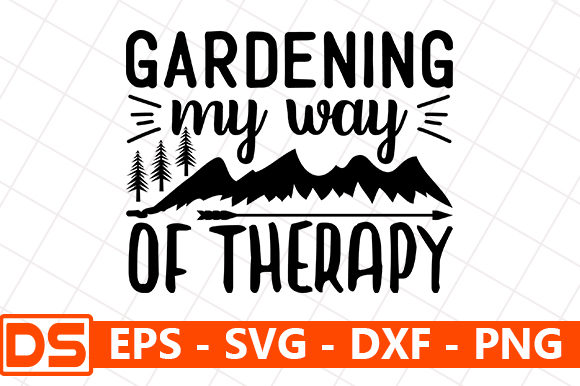
The moment I unzipped the file and saw the layout of “Gardening – My Way of Therapy,” I was drawn to its warm, inviting aesthetic. The phrase itself is heartfelt and relatable, making it ideal for handmade products that speak to lifestyle and self-care themes. The design features a garden motif—perhaps flowers, greenery, or subtle plant imagery—paired with clean, readable typography. It feels organic, not too busy, yet detailed enough to add character to any surface it’s applied to.
This kind of embroidery file naturally belongs on soft, casual items like sweatshirts, aprons, or tea towels. Its layout suggests a focus on legibility and emotional resonance, which makes it well-suited for personalized gifts or branding within a small craft business. It’s not a flashy design by any means, but it has a quiet elegance that appeals to people who value meaningful, everyday art.
What Kind of Project Fits Best?
- Tote bags: The design could be placed centrally or off to one side, depending on the size of the hoop used.
- Sweatshirt embroidery: Especially on crewnecks or hoodies where a soft, expressive message works well.
- Aprons: Ideal for adding a personal touch to kitchen or gardening gear.
- Holiday gifts: Think cozy pillow covers or decorative napkins for Mother’s Day or wellness-themed events.
Its theme also aligns perfectly with nursery decor or boutique-style home goods. As a craft business owner, I can see how this might become a staple in your seasonal offerings, particularly during spring or summer when gardening is top of mind.
Real-Life Embroidery Performance
Now let’s get into the nitty-gritty of how this design actually performs in real embroidery work. From my experience, a design may look great on screen but fall flat once stitched. Here’s how “Gardening – My Way of Therapy” holds up across different applications:
Custom Apparel and T-Shirts
On a cotton t-shirt, the design should stitch cleanly if you use proper stabilizer and manage stitch density. The lettering appears bold enough to read at a glance, which is important for wearable art. However, if you're planning to embroider this on a dark fabric, make sure the thread colors in the design have enough contrast. You may need to adjust them manually or test with a mockup before finalizing production.
Embroidered Patches and Caps
I’d advise caution when using this on curved surfaces like baseball caps. While the shape doesn’t seem overly complex, the curvature can distort the stitching unless the design is specifically formatted for such projects. If you’re creating embroidered patches, the design’s structure seems manageable, but always check for tight corners or dense areas that could cause puckering or fraying if not stabilized correctly.
Pillow Covers and Tea Towels
These are some of my favorite substrates for embroidery. The gentle nature of this design fits beautifully on linen or cotton blends. For holiday embroidery, consider pairing it with seasonal elements—like pumpkins or snowflakes—to enhance its giftability. On tea towels, it adds a charming, rustic flair without being overwhelming. Just ensure the stabilizer is suitable for water-washable materials if you're targeting Etsy sellers or handmade shops.
Commercial Use Considerations
If you're considering using “Gardening – My Way of Therapy” in your small shop product line or as part of a digital product offering, the key is consistency. The design should work across multiple color schemes and fabric types while maintaining its core identity. As a digital embroidery file, it offers flexibility with formats like EPS, SVG, PNG, and DXF—though keep in mind these are primarily for cutting machines and vector editing rather than direct embroidery use.
For commercial embroidery projects, it's essential to verify whether the design is licensed for resale. Many designers offer personal-use-only files, so always double-check the terms provided with the ZIP package before using it in finished products meant for sale.
Where to Use with Care
While this design is versatile, there are certain scenarios where extra attention is needed to preserve its quality and impact:
- Small hoop sizes: If you plan to scale the design down significantly, details may get lost or appear cramped. Test on scrap fabric first.
- Textured or stretchy fabrics: These can affect stitch alignment and clarity. Use a firm stabilizer and avoid over-stitching in dense areas.
- Dark backgrounds: The thread colors included may not pop as intended. Always create a black-and-white mockup to assess visibility.
- Products needing frequent washing: Dense stitches or lack of washable stabilizer could lead to wear over time. Opt for durable threads and appropriate backing material.
Also, watch out for tight corners or intricate detailing that may require manual tweaking in software like Wilcom or Hatch. Some parts of the design might need additional running stitch outlines or reduced satin stitch widths to prevent distortion.
Impact on Product Value and Customer Trust
One of the things I appreciate about this design is how it subtly elevates the perceived value of a product. Whether you're selling personalized gifts or custom apparel online, a thoughtful quote paired with a nature-inspired background signals quality and intentionality. This kind of detail can build customer trust, especially among niche audiences like eco-conscious shoppers or those seeking mindful living products.
In terms of brand consistency, the design is a good fit for businesses that focus on wellness, self-expression, or artisanal craftsmanship. It supports a cohesive story around lifestyle and creativity. That said, it’s not a design that screams “high fashion”—so tailor your design assets and marketing accordingly.
Design Notes for Embroidery Projects
Before committing to a full run, here are some practical tips I follow when working with a new embroidery file:
- Test on scrap fabric to assess how the design interacts with your chosen material.
- Review stitch density and adjust if necessary to avoid puckering or stretching.
- Check the hoop size required. If it’s large, ensure your machine can accommodate it for commercial batches.
- Inspect small details like tiny letters or intricate lines to confirm they’ll translate well after stitching.
- Create a printable mockup in both black and white and on light/dark backgrounds to evaluate contrast and legibility.
- Confirm whether the design includes all necessary components (e.g., borders, text formatting) for the intended application.
- Use proper stabilizer based on fabric type—especially if you're working with thin or delicate materials.
- Ensure the design works for both personal and commercial projects and that licensing allows for resale if applicable.
Final Thoughts from the Design Table
“Gardening – My Way of Therapy” isn’t just another pretty graphic—it has potential as a meaningful addition to your handmade product lineup. It speaks to a growing trend in self-care and sustainability, which makes it a strong contender for craft fair products or curated Etsy listings. The design’s simplicity gives it broad appeal, while its thematic depth ensures it resonates emotionally with customers.
From a professional standpoint, I’d say this is best suited for mid-sized embroidery projects where the message needs to be clear and the aesthetic remains soft and approachable. Avoid pushing it beyond its natural scale or onto challenging surfaces unless you're prepared to tweak and test. And remember—always confirm the design’s compatibility with your specific machine and the licensing rules for resale.
Whether you're an embroidery designer looking to expand your collection or a creative entrepreneur ready to add something unique to your small shop merchandise, this design has earned a place in my toolkit. With the right care and consideration, it can become a signature element in your next embroidery project.