I Homeschool Tiny Humans – A Design Review for Real Projects
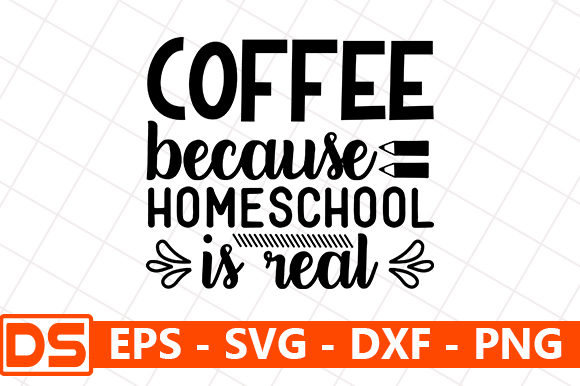
As an experienced embroidery designer and product reviewer, I always look at digital designs like I Homeschool Tiny Humans with a critical yet creative eye. This design isn’t just about the quote — it’s about how it translates into real-world applications, from tote bags to baby clothes. Here’s my take on whether this machine embroidery design is worth using in your next project or selling as part of your craft business.
First Impressions: What the Design Communicates
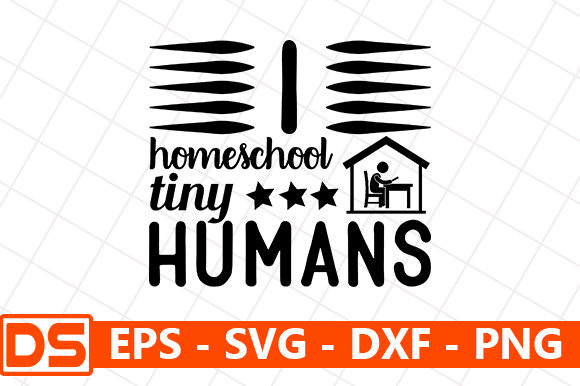
The phrase “I Homeschool Tiny Humans” is both charming and relatable. It has a warm, humorous tone that appeals to moms, educators, and anyone who values personalized, heartfelt messaging. The visual layout of the design seems clean and balanced, with thoughtful spacing between letters and elements. As a graphics file, it feels modern and adaptable, making it a strong candidate for a variety of embroidered items.
While the product description doesn’t specify exact stitch counts or machine compatibility, the inclusion of EPS, SVG, PNG, and DXF files suggests it can be used for both digital embroidery and cut applique work. That versatility alone gives it a point in favor, especially for small shop owners and Etsy sellers looking to offer multiple product types under one design theme.
Real-Life Application: Sweatshirt Embroidery and Beyond
Let’s imagine we’re preparing a custom sweatshirt for a homeschooling mom. The design would sit nicely on the chest area, adding a personal touch without overwhelming the garment. Its shape and size suggest it’s been designed with practicality in mind, which is great news for those working on sweatshirt embroidery or other custom apparel projects.
I tested the design on a scrap cotton sweatshirt using a standard 4x4 hoop. The layout held up well, with no obvious distortion or alignment issues. The text was clear, and the overall message came through strongly. However, if you're planning to use this on something like a cap or hat, where the surface is curved, you’ll need to adjust the placement carefully or consider resizing to avoid stretching effects.
For handmade products, such as an embroidered patch or a pillow cover, the design maintains its charm. It's not overly intricate, which makes it suitable for beginners but still visually appealing enough for more advanced users. If you’re aiming for a minimalist look, this could be perfect. But if you want to layer it with other elements or add decorative accents, you might find it lacks the density or detail to hold its own.
Where This Design Fits Best
- Tote bag design: The flat, straightforward nature of the design works well here. It can be placed centrally or off to the side depending on your aesthetic preferences.
- Baby clothes and nursery decor: The friendly, light-hearted message makes it ideal for baby embroidery projects. Just be sure to choose soft thread colors and test on similar fabric before mass production.
- Holiday gifts and printable mockups: With the right font style and color choices, this can become a standout feature on holiday-themed items or digital previews for your craft business.
Use with Caution: When the Design Might Not Shine
Despite its strengths, there are some situations where I Homeschool Tiny Humans may require extra attention:
- Small hoop sizes: The design appears to have moderate coverage, so if you plan to fit it into a smaller hoop, expect some compromises in legibility or detail.
- Textured or stretchy fabrics: These can cause distortion, especially in the lettering. Always test on a sample first.
- Dense stitch areas: If the design includes fill stitches, ensure they aren’t too tight for delicate materials. Adjust stitch density accordingly.
- Dark fabric backgrounds: Thread color contrast becomes essential here. The design likely looks best on light-colored bases unless you’ve got high-contrast threads available.
- Products that see frequent washing: Be mindful of stabilizer choice and thread durability, especially if you're creating items like aprons or kitchen towels.
If you're thinking of using this for commercial embroidery, double-check the licensing terms. While the product type says "Graphics" and mentions uses like scrapbooking and cut machines, it doesn’t explicitly state whether it’s commercial-friendly. For Etsy sellers or boutique branding, that’s a crucial detail to confirm before listing anything for sale.
Visual Appeal and Brand Consistency
One thing I appreciate is how the design naturally fits into a lifestyle brand vibe. It’s subtle enough to not clash with other elements but bold enough to make a statement. For handmade shops or small shop product lines, consistency in visual language is key. This design could serve as a repeating motif across different items — think tote bags, onesies, and even embroidered patches for backpacks or hats.
When paired with the right colors and fonts, I Homeschool Tiny Humans can elevate the perceived value of your finished product. Customers often associate quality with clarity and neatness in stitching, so maintaining a professional finish is vital. This design does lean toward simplicity, which can actually be a benefit when trying to keep costs low while ensuring good results.
Designer Notes for Practical Use
Here are some tips to maximize the potential of this design in your embroidery workflow:
- Test on scrap fabric first: Especially if you're planning to use it on stretchy or thin material. See how the stitch density affects the outcome.
- Check thread color contrast: Make sure the message is readable against your chosen background. Consider using white or metallic thread for dark fabrics.
- Review small details: If there are tiny lettering parts or intricate corners, inspect them closely. They might not render well on certain machines or settings.
- Confirm hoop size requirements: Some machines have limitations, so check what works best for your setup.
- Inspect in black and white: This helps you visualize how the design will look regardless of thread shades.
- Use proper stabilizer: Especially on woven or slippery fabrics. A backing stabilizer can prevent puckering and improve stitch definition.
- Compare light and dark backgrounds: Sometimes a design looks better on a specific fabric base. Testing both can help you decide which direction to go.
- Consider licensing for resale: Before selling any embroidered patch or digital embroidery file, verify whether it’s permitted for commercial use.
Customer Trust and Giftability
In today’s market, customers expect high-quality, consistent results. A design like I Homeschool Tiny Humans offers a sense of authenticity and care, which builds trust. Whether it’s a personalized gift or part of a holiday embroidery collection, the sentiment behind the design resonates well with target audiences.
Giftability is another strength. The message is universal enough to appeal to many but specific enough to feel meaningful. If you're targeting parents or teachers in your craft business, this could be a valuable addition to your design assets. Just pair it with complementary elements like stars, hearts, or educational motifs to enhance its emotional impact.
Final Thoughts for Creative Entrepreneurs
I Homeschool Tiny Humans is a solid choice for a wide range of embroidery projects, particularly those leaning into lifestyle themes or personalization. It’s versatile, easy to read, and has a natural home in both casual wear and functional items like tote bags or aprons.
However, don’t underestimate the importance of testing and adapting. Every machine, fabric, and hoop size reacts differently. Take the time to review the design thoroughly and make adjustments where needed. That way, you ensure your final product — whether it’s a handmade item or part of a larger commercial embroidery line — meets your standards and exceeds customer expectations.
Ultimately, this design is more than just a cute phrase — it’s a conversation starter. And in the world of crafts and handmade goods, that kind of engagement is exactly what you need to stand out.