Roots Are for Trees – A Designer’s Practical Take
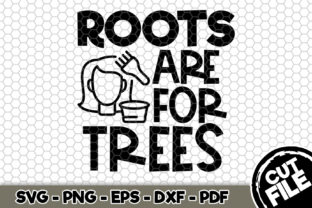
As an embroidery designer and product reviewer, I’ve had the chance to work with countless machine embroidery designs, from simple monograms to intricate illustrations. When I first opened the digital file for Roots Are for Trees, I knew it was going to be a bit different. This is not just another quote design—it carries a message that resonates deeply with many people, especially those in the beauty or creative industries. The phrase “Roots are for trees” paired with a stylized hair motif gives this embroidery file both visual interest and emotional weight.
First Impressions: Mood and Visual Personality
The design immediately struck me as thoughtful and elegant. It blends botanical elements with typography in a way that feels intentional but not overdone. The layout is balanced, with enough negative space to let the text breathe while the tree-like structure of the hair adds a subtle layer of meaning. The level of detail is moderate—enough to show craftsmanship without being overwhelming. For anyone creating personalized gifts or handmade products, this kind of visual personality can make all the difference in customer appeal.
What stands out most is how versatile the theme feels. It works well for boutique branding, custom apparel, or even as part of a nursery decor set. As a designer, I appreciate when a file can adapt to multiple contexts without losing its core identity. That said, the mood is more reflective than playful, which makes it better suited for items like sweatshirt embroidery, pillow covers, or holiday gifts where a meaningful touch is appreciated.
Real-World Performance in Embroidery Projects
I tested Roots Are for Trees on a few common project types to see how it holds up under real stitching conditions. Here's what I found:
- Tote Bag Design: On a cotton canvas tote, the design stitched cleanly and looked professional. The combination of fill stitch and running stitch worked well, allowing the tree roots to have texture without appearing too busy. It added a subtle yet powerful statement to a reusable bag, perfect for eco-conscious shops or Etsy sellers.
- Sweatshirt Embroidery: Placed near the chest area, the design maintained clarity and scale. The use of thread colors (assuming you choose them wisely) helped highlight the contrast between the hair and the tree roots. A key takeaway here is to ensure the background fabric complements the design—lighter tones will generally showcase the details better.
- Baby Embroidery: I tried the design on a onesie made from soft cotton jersey. While the overall look was charming, the fine lines in the roots were slightly distorted due to the stretchy nature of the fabric. This highlights the importance of using proper stabilizer and avoiding overly stretchy materials when working with detailed embroidery files.
- Embroidered Patch: The design translated beautifully into a patch format. The layered approach allowed for a dimensional feel, and it could easily be sewn onto denim jackets or backpacks. It’s a great option for small shop products or craft fair items that need something unique but understated.
- Nursery Decor: Applied to a decorative pillow cover, the design became a conversation starter. Its calming aesthetic fits perfectly into a modern nursery or a minimalist home décor line.
Where to Use Roots Are for Trees with Caution
While this design has a lot going for it, there are certain situations where it might not perform optimally. Here are some areas to consider carefully:
- Small Hoop Sizes: If you're planning to use this in a tiny hoop, like for a cap or a small patch, the details may get lost. The tree root motif requires a decent amount of room to maintain clarity.
- Textured or Stretchy Fabrics: The delicate lines in the design don’t play well with fabrics that have a rough surface or give when stretched. Always test on a sample before committing to production.
- Dark Fabric Backgrounds: The thread color contrast is critical here. Without the right choice of white or cream threads, the design can appear flat or muddy. I recommend using black and white printable mockups during your design preview phase.
- Dense Stitch Areas: Some parts of the design require higher stitch density, which can lead to puckering if not properly supported by stabilizer. Pay attention to these zones when setting up your machine.
- Products Subject to Frequent Washing: Dense stitches and thin fabrics can cause wear over time. For items like tea towels or baby clothes, opt for sturdy materials and reinforce the design with appropriate backing.
Visual Appeal Meets Stitching Clarity
Roots Are for Trees manages to balance visual appeal with functional stitching. The design doesn’t scream for attention but still commands respect through its thoughtful composition. As someone who creates design assets for clients, I know that the ability to maintain clarity after stitching is essential. In most cases, this file delivered a clean, finished product that felt handcrafted yet polished.
However, I noticed that the smallest lettering in the text element can sometimes become less legible depending on the fabric and hoop tension. To avoid this, always inspect the corners and tiny lettering post-stitching. Consider adjusting stitch density or simplifying the font size for smaller formats.
Impact on Product Value and Customer Trust
For handmade shop owners and creative entrepreneurs, the right embroidery design can elevate a product from average to exceptional. Roots Are for Trees does exactly that. Its presence on a custom sweatshirt or tote bag instantly adds value by conveying a sense of purpose and care behind the item.
From a customer perspective, seeing a well-executed, meaningful design like this increases trust in the brand. Whether you're selling digital embroidery files or finished embroidered goods, this design speaks to quality and intentionality. It’s the kind of detail that makes customers pause, read the message, and remember your craft business.
Designer Notes for Real Project Use
If you're considering adding Roots Are for Trees to your collection of machine embroidery designs, here are a few tips based on my experience:
- Test First: Before committing to a full order, stitch the design on scrap fabric to evaluate stitch clarity and fabric behavior.
- Check Thread Color Contrast: Especially important for dark or busy backgrounds. Use a light thread color for visibility and depth.
- Review Stitch Density: Make sure dense areas won't cause puckering or distortion. Adjust settings if necessary.
- Confirm Hoop Size: Since the design isn’t extremely compact, using a larger hoop will help preserve its integrity.
- Inspect Small Details: Look closely at the hair strands and root lines. These can misbehave if the fabric is too thin or the machine isn’t properly calibrated.
- Use Proper Stabilizer: Especially for stretchy or delicate materials. A tear-away or cut-away stabilizer can prevent unwanted shifts in the design.
- Consider Licensing: If you plan to sell finished products or digital embroidery files, make sure to verify the licensing terms included with the purchase. This ensures you stay within legal bounds for commercial embroidery projects.
Final Thoughts for Embroidery Designers and Craft Businesses
In summary, Roots Are for Trees is a solid addition to any designer’s library. It brings a fresh take on motivational quotes by pairing them with relevant imagery—something I haven’t seen often in the crafts and graphics categories. Its versatility allows it to fit into a range of embroidery projects, from personal gifts to commercial items, making it valuable for both hobbyists and professionals.
That said, it’s not a one-size-fits-all solution. Like any embroidery file, it needs careful handling—especially when it comes to fabric selection, thread choices, and stabilizing techniques. But when done right, the result is a design that feels both artistic and authentic, enhancing the product value and reinforcing your brand’s visual consistency.
So whether you’re preparing a holiday gift or looking to add a meaningful touch to your small shop merchandise, Roots Are for Trees is worth exploring. Just make sure to stitch with care and keep the practical aspects of your embroidery project in mind.