Rub Me for Luck Embroidery Design: A Practical Review
As an experienced embroidery designer and product reviewer, I always approach a new design with a critical eye. The Rub Me for Luck embroidery file caught my attention for its thematic charm and versatility in paper crafting. But when it comes to real-world applications, especially in the realm of custom apparel and handmade products, I want to know more than just how it looks on screen—I need to understand how it will perform after stitching.
First Impressions: St. Patrick’s Day with a Playful Edge
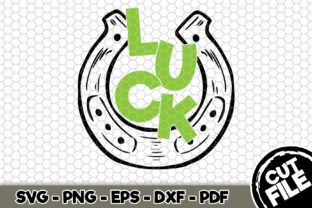
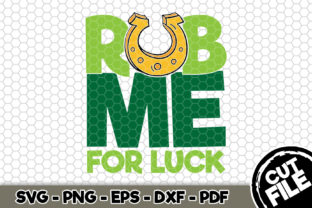
The Rub Me for Luck design is centered around a classic St. Patrick’s Day motif—think leprechauns, shamrocks, and a cheeky quote that says “Shenanigans.” It has a whimsical, almost mischievous feel that immediately makes me think of holiday gifts, personalized totes, or even nursery decor with a twist. The layout is balanced but not overly complex, which is a big plus for machine embroidery designs. The visual personality leans into nostalgia and fun, making it ideal for projects aimed at kids, themed events, or boutique-style collections.
What stands out is the thoughtful integration of text and imagery. The “Rub Me for Luck” phrase is bold and legible, while the supporting elements add enough detail to give depth without overwhelming the overall composition. This kind of balance is crucial for any design intended for multiple uses across different product types.
Real-Life Performance Across Craft Projects
Embroidery isn’t just about aesthetics—it's about functionality. When evaluating Rub Me for Luck, I considered how it might work in various scenarios:
- Tote bag design: The design would look great on a canvas tote, especially if you pair it with a few additional fill stitches or a border of green leaves. It reads well from a distance, which is perfect for something like a reusable shopping bag or event giveaway.
- Sweatshirt embroidery: The larger scale of the design suits hoodies and sweatshirts well. The colors are vibrant enough to stand out on lighter fabric backgrounds, and the shape allows for placement near the chest or back without feeling cramped.
- Baby clothes and nursery decor: The playful tone could be adapted for baby items with softer thread shades and less density. For example, using pastel greens and golds on a onesie or pillow cover would maintain the theme while keeping it gentle and appropriate for infants.
- Embroidered patch: As an applique design, it works well as a standalone patch. However, due to its layered components, I’d recommend testing stitch tension and seam coverage before mass-producing patches for resale.
- Tea towels and kitchen aprons: These are everyday items where durability matters. The design handles medium-density stitching well, but watch out for areas with high stitch counts that may pucker over time with frequent washing.
For holiday gifts or Etsy listings, this design adds instant character and a touch of humor. It’s recognizable, which helps with brand consistency and customer engagement. If you're selling small shop products, it can serve as a signature design that customers come to expect from your line.
When to Use with Caution
While Rub Me for Luck is versatile, there are specific situations where extra care is needed:
- Small hoop sizes: Some elements of the design are quite detailed, so scaling down too much can lead to lost clarity. Always confirm your hoop size before finalizing the project.
- Textured or stretchy fabrics: Designs with fine lines and small lettering can struggle on materials like denim or spandex. The stitch flow might not conform smoothly, affecting the final appearance.
- Dark fabric backgrounds: The default thread color choices may not contrast well against black or navy. Consider swapping to white or metallic threads for better visibility.
- Curved surfaces like caps: The flat nature of the design doesn’t adapt well to curved areas unless modified. You’ll likely need to adjust the layout manually or use specialized software for garment contours.
- Dense stitch areas: While beautiful, these sections require proper stabilizer to avoid puckering. I’ve seen similar designs distort on thin cotton without adequate backing support.
Visual Appeal and Customer Reaction
In terms of visual appeal, Rub Me for Luck brings a festive and friendly vibe to any project. The combination of a leprechaun and the phrase “Shenanigans” suggests fun and luck, which resonates well during the St. Patrick’s Day season. That said, the design is not limited to seasonal use—it can also serve as a unique statement piece for handmade products throughout the year.
From a customer perspective, this design feels both professional and approachable. It’s not too childish, yet still playful enough to attract buyers looking for something lighthearted. For craft business owners and creative entrepreneurs, it offers a way to elevate ordinary items into memorable personalized gifts or commercial embroidery assets.
Designer Notes for Best Results
Before jumping into production, here are some practical tips for working with Rub Me for Luck:
- Test on scrap fabric first: Especially if you’re planning to use it on a new type of material or for commercial quantities.
- Check thread color contrast: Ensure the design remains visible and appealing on your chosen fabric background.
- Review stitch density: Adjust as necessary to prevent distortion or excessive bulk.
- Confirm hoop size: Avoid unexpected resizing by checking the recommended dimensions early in the process.
- Inspect small details: Look closely at the leprechaun’s features and the lettering to ensure they hold up post-stitching.
- Use black and white mockups: This helps visualize how the design will appear under different lighting conditions or on darker substrates.
- Compare light and dark backgrounds: You might find the design needs subtle tweaks depending on the fabric.
- Use proper stabilizer: Especially important for delicate or stretchy materials.
- Confirm licensing before selling: Since it’s a digital embroidery file, always double-check whether it supports commercial use to avoid legal issues later.
Project Value and Brand Recognition
Using Rub Me for Luck in your embroidery project can significantly boost the perceived value of the finished product. Its blend of tradition and modern typography gives it a timeless quality that appeals to a wide audience. For digital product sellers, including this design in your printable mockup library can enhance your catalog with a ready-to-use asset that’s easy to customize.
Customer trust often hinges on the quality of the design used. A well-executed, clear, and cohesive machine embroidery design like this one contributes to a polished handmade presentation. If you're aiming to build a consistent brand image, this design fits naturally into a line of Irish-themed or humorous design assets.
Its giftability is another strong point. Whether embroidered onto a cap for a friend or a sweatshirt for a client, the design feels intentional and meaningful. That emotional connection can increase buyer engagement and repeat sales, especially during holidays or special events.
Final Thoughts for Embroidery Designers and Crafters
In summary, Rub Me for Luck is a solid choice for those seeking a St. Patrick’s Day-inspired graphics design with broad application potential. It brings charm and character to custom apparel and craft projects, and when used thoughtfully, can become a standout feature in your craft business offerings.
However, as with all embroidery files, success depends on how well you prepare for each individual project. Pay attention to fabric texture, stitch direction, and thread contrast. Don’t hesitate to tweak the layout or test it on a variety of substrates before committing to large-scale production.
If you're an Etsy seller, a small shop product creator, or simply a hobbyist looking to expand your embroidery project portfolio, this design deserves a spot in your collection. Just remember to treat it like any other machine embroidery design—with respect for the technical side as much as the artistic.