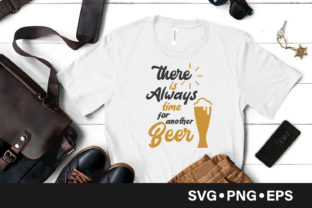
There is Always Time for Another Beer: A Designer’s Review
As an embroidery designer who has spent years digitizing, testing, and selling designs, I have learned that the difference between a good handmade product and a great one often comes down to the specific design choice. Today, I am putting There is Always Time for Another Beer under the microscope. This is not just about whether the file opens correctly in your software; it is about how this phrase translates from a digital asset into a tangible, high-quality embroidered piece that customers will actually want to wear or display.
The craft market is saturated with generic quotes. To stand out, especially as an Etsy seller or small business owner, you need designs that evoke a mood immediately. When I first looked at There is Always Time for Another Beer, my initial impression was one of relaxed confidence. It does not scream for attention like a bold graphic tee might; instead, it whispers a sense of humor and comfort. This makes it an excellent candidate for cozy, lifestyle-oriented products where the wearer wants to express personality without being overly loud.
Visual Personality and Mood
The visual weight of this design suggests a casual, approachable aesthetic. In the world of machine embroidery, typography is king. If the lettering is too thin or the spacing is off, the final stitch-out can look cluttered or fragile. From what I can discern, this design leans into a style that works well for both satin stitch outlines and fill stitch backgrounds, depending on how you choose to digitize or layer it.
The phrase itself carries a specific energy. It is perfect for the "happy hour" crowd, the homebrew enthusiasts, or anyone who appreciates a quiet night in. For a boutique branding strategy, this design fits naturally into collections centered around relaxation, hospitality, or rustic farmhouse aesthetics. It feels less like a corporate logo and more like a personal statement, which increases its appeal for personalized gift markets.
Real-World Application: The Tote Bag Scenario
Let’s imagine a real project. You are preparing inventory for an upcoming craft fair or updating your Etsy listings for the holiday season. You decide to create a set of canvas tote bags featuring witty phrases. This is a staple item for any craft business, but the execution determines the sale.
I envision There is Always Time for Another Beer stitched onto a natural, unbleached cotton canvas tote. Here is why this pairing works: the sturdy fabric provides enough stability to handle the stitch density without pucker, while the neutral background allows the thread colors to pop. If you use a deep navy or black thread for the text against the beige canvas, the contrast is sharp and professional. However, if you attempt this on a sheer fabric or a highly textured linen, the details may get lost, and the stabilizer might show through on the back, ruining the clean finish.
Furthermore, consider the placement. On a tote bag, centering the design creates a balanced, classic look. But for a more modern, custom apparel vibe, placing it slightly off-center on the lower quadrant can add a contemporary touch. This layout decision affects how the customer perceives the value of the item. A well-placed design looks intentional and expensive, whereas a cramped design looks rushed.
Performance Across Different Fabrics and Garments
While the tote bag is a strong candidate, this design has versatility. Let’s look at other common applications:
- Sweatshirt Embroidery: This is perhaps the strongest use case. Heavyweight cotton blends or fleece provide the perfect backdrop for a humorous quote. The thickness of the fabric hides the stabilizer marks and supports dense stitching. Imagine this on a charcoal gray crewneck sweatshirt using cream or gold thread. It screams comfort and style.
- Embroidered Patch: Converting this into a detachable patch allows for greater flexibility. Customers can attach it to denim jackets, backpacks, or caps. This adds value to your product line, offering a digital embroidery file solution that extends beyond a single garment.
- Kitchen Towels and Aprons: For the home baker or hostess, this design adds a playful touch to kitchen decor. Linen or cotton tea towels work well here. However, be mindful of frequent washing. Ensure the design is anchored well so it withstands the laundry cycle without fraying.
- Baby Embroidery: While beer is obviously not for babies, this phrase is often used ironically for new parents who need their downtime. Stitching this on a burp cloth or a baby blanket (for the parent) can be a hit for holiday embroidery gifts. Just ensure the font size is large enough to be readable on small items.
Where to Use With Caution
Not every surface is created equal. As a reviewer, I must highlight areas where There is Always Time for Another Beer might struggle if you are not careful.
First, avoid small hoop sizes unless the design is simplified. Tiny lettering on a cap brim or a delicate wrist cuff can become illegible after stitching. The threads may merge, creating a muddy blob rather than crisp text. Always inspect small details before committing to production.
Second, steer clear of stretchy fabrics like spandex blends or thin jersey knits without proper support. These materials can distort under the tension of the needle, leading to misalignment. If you must embroider on stretchy material, use a tear-away or cut-away stabilizer appropriate for the fabric weight.
Dark fabrics present another challenge. If the design relies on light-colored threads for readability, ensure your thread choice has sufficient contrast. Testing in black and white mockups can help you visualize this before you waste expensive thread.
Practical Notes for the Embroidery Designer
Before you start mass-producing items with this design, follow these practical steps to ensure quality:
- Test on Scrap Fabric: Never go straight to the final product. Run a test stitch on the same fabric type you plan to sell. Check for puckering, thread breaks, or color bleeding.
- Review Stitch Density: High density can cause stiff, uncomfortable garments. Low density might look sparse. Aim for a balance that feels soft to the touch but durable enough for wear.
- Confirm Licensing: If you are planning to sell finished items, verify the commercial license terms included with the file. Some graphics allow unlimited sales, while others restrict quantity or require attribution. Ignoring this can lead to legal issues.
- Thread Color Contrast: Experiment with different thread palettes. A monochromatic scheme (e.g., white thread on white fabric with a subtle outline) offers a premium, minimalist look. Bold contrasts offer a more casual, streetwear vibe.
- Hoop Size Verification: Ensure the design dimensions fit comfortably within your machine’s standard hoops. If the design is wider than 5x7 inches, you may need a multi-hooper or a larger frame, which increases production time.
Final Verdict
There is Always Time for Another Beer is a solid addition to any design assets library aimed at the lifestyle and humor niche. It is versatile enough for apparel decorators looking to expand their catalog and practical enough for hobbyists making unique gifts. Its strength lies in its relatability and ease of integration into various product types, from tote bag design projects to commercial embroidery runs.
By paying attention to fabric choice, stitch quality, and proper finishing techniques, you can transform this simple phrase into a best-selling item. It respects the intelligence of the buyer by offering a familiar sentiment executed with professional care. For the savvy maker, this is a low-risk, high-reward design that promises to resonate with a wide audience of crafters and consumers alike.