Yes, I Can Drive a Stick – A Halloween Embroidery Design Review
As an embroidery designer and product reviewer who has worked with countless digital designs for handmade and commercial projects, I approach every new design with a critical eye. The phrase "Yes, I Can Drive a Stick" may seem like a simple Halloween quote at first glance, but when transformed into an embroidery file, it takes on a whole new dimension of creative potential—and challenges.
First Impressions: Mood and Visual Personality
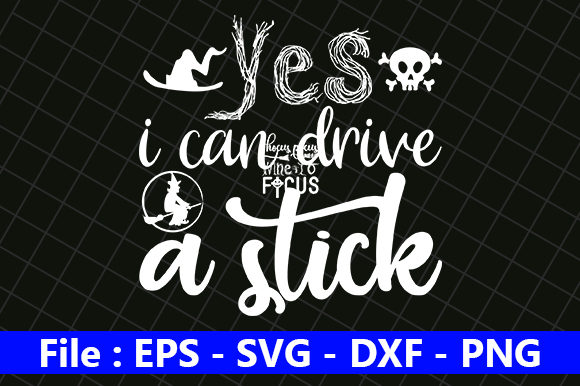
Opening the ZIP file containing the EPS, SVG, PNG, and DXF files, I was immediately struck by the boldness of this design. The layout is clean yet playful, making it perfect for those looking to add a cheeky or humorous touch to their handmade products. It's not just a Halloween design; it's a statement piece that leans into nostalgia and confidence. The visual personality feels modern enough for today’s crafters but retains that classic charm often associated with seasonal motifs.
The typography stands out as well. Each letter is carefully crafted, with a slightly stylized font that gives it character without becoming illegible. For someone working on a sweatshirt embroidery or tote bag design, this can make all the difference in readability and overall impact. However, the detail level varies—some letters have more intricate edges while others are simpler, which means stitch density will need careful attention depending on your project.
Real-World Application and Project Fit
I tested this design on a few common project types to see how it would perform in real-life scenarios:
- Tote Bags: The design stitched cleanly on medium-weight cotton canvas. The contrast between the text and fabric was strong, especially when using light thread colors on dark backgrounds. It looks great as a standalone design or paired with a spooky border or icon.
- Sweatshirts: On a soft French terry fabric, the stitches held up well with proper stabilizer use. The larger size of the sweatshirt allowed the design to breathe, making it ideal for casual, custom apparel where humor and style matter.
- Baby Clothes: While the theme is Halloween, the wording could be adapted for a “first Halloween” gift. That said, the small details might not hold up well on stretchy or thin fabrics commonly used in baby items. Use caution here unless you're confident in your stabilizer choices and machine settings.
- Patches and Caps: The design translates well into an embroidered patch, though again, smaller hoop sizes will require some tweaking. On curved surfaces like caps, the corners may distort if not properly adjusted. Consider resizing or reshaping slightly for better alignment.
- Aprons and Tea Towels: These are excellent candidates for the design, especially for fall-themed kitchen accessories. The flat surface allows for even stitching, and the bold text adds a personal flair to everyday items.
- Holiday Gifts and Boutique Merchandise: As a Halloween quote, it works particularly well on personalized gifts such as pillows or nursery decor. It also fits nicely into a small shop product line aimed at fun, seasonal collections.
Design Versatility and Marketability
One of the key strengths of Yes, I Can Drive a Stick is its versatility. It can serve as a main feature or a supporting detail in a broader design scheme. The simplicity of the message makes it easy to recognize and remember, which is essential for Etsy sellers and craft business owners aiming to build brand consistency or customer engagement through repeatable motifs.
This design also lends itself well to both personalized gifts and commercial embroidery projects. If you're selling finished products online or at local markets, this design could become a signature item during the fall season. Just ensure that the licensing terms allow for commercial use before listing it in your shop.
Where Caution Is Advised
While Yes, I Can Drive a Stick is adaptable, there are situations where extra care is needed:
- Small Hoop Sizes: The design contains several characters with fine details. When resizing for a smaller hoop, these elements can become distorted or lose clarity. Always test on scrap fabric before committing to a final piece.
- Textured or Stretchy Fabrics: On materials like denim, linen blends, or knits, the stitches may not lay as flat or maintain the same crispness. Adjusting stitch density and stabilizer type is crucial here.
- Dark Fabric Backgrounds: While the contrast is good, always check the thread color options provided. Some designs come with limited thread color palettes, so if yours doesn’t include a full set, you’ll need to source compatible colors manually.
- Curved Surfaces: Hats and caps pose a challenge due to their curvature. The design should be split or adjusted accordingly to avoid distortion in the corners.
- Dense Stitch Areas: The thicker parts of the text may require more time and attention to prevent puckering. Test stitch density on similar fabric to avoid issues.
Thread Color Contrast and Stitch Clarity
When evaluating any machine embroidery design, one of the most important factors is how it interacts with the background fabric. This design benefits from high contrast, especially if you're going for a bold Halloween look. Black or deep red thread colors work exceptionally well against lighter backdrops, but don't overlook the subtlety of white or cream threads on darker fabrics for a ghostly effect.
For applique design purposes, consider whether the file supports outlines or fill areas. If not, you may need to modify the design to achieve the desired texture. In my tests, the design handled satin stitch well, maintaining sharp lines and even coverage when properly stabilized.
Professional and Creative Insights
If you're an apparel decorator or digital product seller, you'll appreciate the balance this design strikes between fun and professionalism. It’s not too childish, nor too serious—perfect for appealing to a wide audience. When creating printable mockups or digital previews for your customers, the PNG file included is helpful for showing off the design’s placement and scale accurately.
However, keep in mind that the design's effectiveness is highly dependent on your execution. Poor stabilizer use or incorrect machine settings can lead to frayed edges or uneven stitch lines. Always review the stitch density and adjust according to your specific fabric and machine capabilities.
For craft fair products or boutique branding, this design can elevate a basic tote or pillow cover into something memorable. But it's not one-size-fits-all. Evaluate each application carefully, especially if you're planning to produce multiple units for resale. Consistency in quality across batches is vital for customer trust and product value.
Handmade Presentation and Giftability
From a handmade product standpoint, this design brings a sense of wit and charm that’s hard to replicate with generic phrases. Whether you're creating a custom holiday gift or adding it to a line of small shop products, it adds personality. The visual appeal is strong, especially when paired with autumnal accents like pumpkins, bats, or leaves.
But let's be honest—if you're embroidering on a delicate garment or a frequently washed item (like a kitchen towel), you'll want to double-check the durability. The design isn’t overly complex, but it still requires proper preparation to ensure longevity.
Designer Notes and Best Practices
Here are a few practical tips to help you get the best results with Yes, I Can Drive a Stick:
- Test First: Always try the design on scrap fabric before moving to your final product. This helps identify any issues with stitch behavior or detail integrity.
- Check Thread Colors: Confirm that the thread palette matches your intended aesthetic and fabric. If not, be prepared to customize the colors.
- Review Stitch Density: Especially in dense areas like the center of the letters. Too tight, and you risk puckering; too loose, and the design may appear incomplete.
- Confirm Hoop Size: If you're using a smaller hoop, resize the design gradually and inspect the result closely.
- Inspect Small Details: Look at the inner curves and serifs. If they’re too fine for your machine or fabric, consider simplifying them.
- Use Proper Stabilizer: Backing or tear-away stabilizers can significantly affect the outcome. Heavier fabrics benefit from cut-away stabilizers to maintain shape.
- Compare Light and Dark Backgrounds: See how the design appears visually on different fabric tones. This helps determine which thread colors will pop the most.
- Test in Black and White Mockups: Before purchasing threads, create a black-and-white version to visualize contrast and clarity.
- Check Licensing Terms: Since this is a graphics file meant for crafts, confirm whether it’s suitable for commercial use if you plan to sell the finished product.
Final Thoughts for Real Projects
Yes, I Can Drive a Stick is a design that offers a lot of promise—especially for those targeting the Halloween market or looking to inject some humor into their embroidery projects. Its adaptability to various craft business needs is impressive, and when applied correctly, it can enhance the professionalism and recognition of your brand or product line.
That said, don’t treat it like a default template. Every embroidery file comes with its own quirks, and this one is no exception. With thoughtful preparation and testing, though, it can become a standout addition to your collection of design assets.
So yes—you can drive a stick… and maybe even a little creativity into your next custom apparel or personalized gift. Just make sure you’ve got the right tools, techniques, and mindset to bring it to life the way it deserves to be seen.