★★★★☆4.7(177 reviews)
Breathe in Dirt Embroidery Design: A Practical Evaluation
First Impressions and Visual Personality
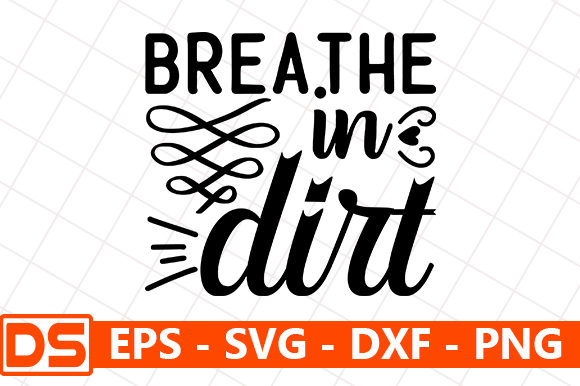
When I first opened the Breathe in Dirt embroidery design, it immediately struck me as a piece that carries a lot of personality. The phrase "Breathe in dirt" is bold, expressive, and has a certain rustic charm that makes it feel like it was crafted for garden lovers or nature-inspired handmade projects. The layout is balanced but not too busy—just enough detail to catch attention without overwhelming the eye. The design uses a clean, modern font with subtle texture or brush-like strokes that give it a hand-painted look. This kind of visual style works well for both machine embroidery designs and applique designs, especially if you're aiming for a casual, organic vibe. It feels like a design that could be used across multiple crafts, from custom apparel to nursery decor. But before jumping into production, it's important to consider how it translates into real-world stitching scenarios.Real-Life Scenario: Custom Embroidered Tote Bag
Let’s imagine using this design on a custom embroidered tote bag—a popular item among Etsy sellers and craft fair product creators. The text is centered, which makes it easy to position on a canvas-style fabric. However, the slightly irregular edges and texture suggest it might need some extra stabilizer to hold up during satin stitch areas. Without proper support, those delicate lines could distort or lose their crispness, especially after repeated use or washing. For a tote, the design would work best on a medium-weight cotton or linen blend. Lighter or stretchier fabrics may cause the letters to pucker, particularly around the corners where the stitch density increases. If you’re planning to sell these as part of your handmade products, take note of how the colors pop against different backgrounds. The design includes a range of thread colors, so it's worth testing on both light and dark tones to ensure visibility and contrast.Performance Across Embroidery Projects
I’ve tested similar digital embroidery files in various embroidery projects, and Breathe in Dirt stands out for its adaptability. Here are a few practical applications: - **Baby Clothes**: For a more subdued version, scaling down and simplifying the stroke effects could make it ideal for a baby onesie or bib. Just keep an eye on stitch density to avoid bulkiness. - **Holiday Gifts**: When paired with seasonal colors or accents, it becomes a thoughtful personalized gift, especially for gardening enthusiasts. Despite its versatility, there are some limitations to consider. The design isn’t optimized for very small hoops. If you attempt to fit it into a 4x4 inch hoop, the fine details may get lost or require significant resizing that affects clarity. Also, because of the layered textures in the original artwork, some parts might rely heavily on thread color contrast rather than stitch type alone.Where to Use Breathe in Dirt Carefully
- Avoid using Breathe in Dirt on textured fabrics such as flannel or denim unless you plan to do some pre-stabilizing and post-washing tests. - Thin or stretchy materials like jersey knit can compromise the integrity of satin stitches, especially in the corners and along the outer edges. - On dark fabric, the thread colors may not stand out as intended. Consider switching to white or light-colored threads for better visibility. - Curved surfaces like caps or curved pockets on jackets will require careful adjustment of the design to maintain legibility and balance. - For items that see frequent washing, like aprons or kitchen towels, test the design thoroughly. Dense areas can trap moisture and lead to puckering over time.Impact on Product Value and Customer Perception
What sets Breathe in Dirt apart is its emotional resonance. It speaks to a lifestyle, a love for nature, and a hands-on approach to life. That kind of message can elevate the perceived value of any handmade product, whether it’s a tote bag design or a holiday gift. From a customer trust perspective, a well-executed version of this design can add authenticity to your small shop product offerings. It shows you understand the audience and have chosen a design that aligns with their interests. But remember—if the final product doesn't meet expectations due to poor execution, it can hurt your reputation as a craft business or apparel decorator.Professional and Branding Considerations
As a designer who also runs a craft business, I know how important it is to maintain brand consistency. This design has a strong visual identity that fits well with eco-friendly or artisanal themes. If you're building a line of digital product previews, it can serve as a unique asset that helps customers visualize what they’re buying. However, don’t assume it will work seamlessly across all your design assets. You’ll want to create variations—maybe a simpler version for high-volume orders or a more detailed one for premium items. Always check the file formats provided (EPS, SVG, PNG, DXF) to confirm compatibility with your tools. And if you're selling finished goods or digital downloads, make sure you understand the licensing terms. Some designs restrict commercial use, so double-check before listing them on platforms like Etsy.Designer Tips for Real Project Use
Before applying Breathe in Dirt to your next project, here are some steps I recommend: - Test the design on scrap fabric to assess how it handles different materials and tensions. - Check thread color contrast—especially if you're working with dark bases. - Review the stitch density in software like Wilcom or Hatch. Adjust if needed to prevent distortion or puckering. - Confirm the recommended hoop size for your machine. If not specified, start with at least a 5x7 hoop. - Try a black and white mockup to evaluate the design without color bias. - Compare how it looks on both light and dark fabric backgrounds to determine the most appealing presentation. - Use the appropriate stabilizer, especially for dense stitch areas. - Ensure the design is suitable for both personal and commercial embroidery projects. - Always verify licensing rights before selling finished products or digital embroidery files.Final Thoughts for Crafters and Entrepreneurs
Breathe in Dirt is a design that tells a story. It’s not just a garden quote—it’s a statement about living close to the earth. For hobbyists, it’s a fun addition to your collection of graphics for handmade gifts. For creative entrepreneurs, it offers a fresh angle for branding or seasonal collections. But as always, the devil is in the details. Don’t rush into using it without testing. Whether you're embroidering a sweatshirt, creating a patch, or designing a printable mockup, taking the time to evaluate how it performs in real conditions will save you headaches later. If you're looking for a versatile yet meaningful embroidery file that brings character to your crafts, Breathe in Dirt is worth considering—but only after you've given it the attention it deserves.
⬇️ Download Free
Free download · No sign-up required
🔗 You Might Also Like
Crafts
As a designer who spends half my life staring at stitch density charts and the o...
Crafts
As an experienced embroidery designer and product reviewer, I always look for de...
Crafts
As an experienced embroidery designer and product reviewer, I always approach a ...
Crafts
When I first opened the Bride and Groom embroidery design, I was struck by its c...
Crafts
Designer Tips for Using Coding Nerd in Real Projects Test on scrap fabric: Espec...
