Daddy s Little Leprechaun Embroidery Review
As a designer who spends more time than I care to admit staring at stitch density charts and debating the merits of various stabilizers, I approach every new digital asset with a healthy dose of skepticism. We have all seen the flood of generic holiday graphics hit the market right before St. Patrick’s Day. Most are lazy copies of existing trends, lacking the structural integrity needed for actual production. However, when I pulled up Daddy s Little Leprechaun, I wanted to see if it had the legs to survive the transition from screen to fabric.
This is not just another clipart file; it is a Craft File designed for versatility. While the description notes its compatibility with paper crafting programs like Cricut Explore and Silhouette, my focus here is strictly on its viability as an embroidery design. For those of us in the handmade product space, knowing how a graphic translates into thread is the difference between a best-selling item and a customer return. Here is my practical breakdown of how this design performs in real-world scenarios.
First Impressions and Visual Personality
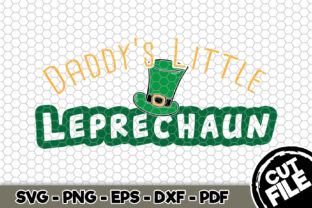
The immediate mood of Daddy s Little Leprechaun is one of playful nostalgia. It taps directly into the "cute" aesthetic that dominates the baby and toddler apparel markets. The layout feels balanced, which is crucial for embroidery because asymmetry can sometimes lead to stitching errors or awkward hooping. Visually, the design relies on clear shapes rather than intricate, fragile details. This is a smart choice for a machine embroidery design intended for mass production or quick turnaround custom orders.
The theme is unmistakably festive but avoids being overly busy. In my experience, designs that try to cram too much information into a small area often result in muddy stitches, especially when using lower thread counts. This design seems to leave enough negative space to breathe, allowing the satin stitch outlines to define the character clearly without overwhelming the viewer. It creates a cheerful, approachable vibe that works exceptionally well for personalized gifts.
Real-World Application: The Custom Tote Bag Scenario
Let’s imagine a specific use case. You are preparing inventory for a local craft fair or updating your Etsy shop for the spring season. You decide to create a set of custom apparel items, starting with a sturdy canvas tote bag. This is a common entry point for many Etsy sellers and small business owners because totes are high-demand, low-risk products.
When placing Daddy s Little Leprechaun on a tote bag, the design’s scale becomes important. If you are using a 4x4 hoop, the design should sit prominently on the front panel. The bold nature of the leprechaun motif ensures it stands out against the texture of the canvas. Customers walking by a booth want to read the quote and see the character instantly. This design delivers that clarity. It feels professional and finished, which builds customer trust in your brand. A sloppy stitch job on a simple design screams amateur hour, but a clean execution of this graphic suggests attention to detail.
Beyond totes, this embroidery file shines on sweatshirts and hoodies. The St. Patrick’s Day demographic loves cozy, wearable merch. Placing this design on the chest of a crewneck sweatshirt creates a classic, timeless look. It appeals to parents buying gifts for their children, hitting that sweet spot of personalized gift appeal. The design is robust enough to handle the thicker fabric of a sweatshirt without getting lost in the weave.
Versatility Across Product Types
The beauty of this graphic lies in its adaptability. It is not limited to one type of handmade product. Consider these additional applications:
- Baby Clothes: On a onesie or burp cloth, the design reads as adorable and sentimental. Parents love buying matching sets for siblings, and this design scales well for smaller hoops.
- Kitchen Towels: For the home decor angle, embroidering this on a tea towel adds a touch of whimsy. It fits the holiday embroidery trend perfectly, appealing to hosts who want festive touches without permanent decorations.
- Embroidered Patches: If you sell detachable patches, this design has strong potential. The defined edges make it easy to digitize as a patch with a sturdy border, suitable for attaching to denim jackets or backpacks.
- Nursery Decor: Pillow covers or wall hangings can feature this design as a centerpiece. The bright colors associated with leprechauns pop against neutral nursery tones.
Technical Considerations and Potential Pitfalls
No design is perfect, and as a reviewer, I must highlight where Daddy s Little Leprechaun might require extra caution. Embroidery is a physical process, and digital files do not always account for fabric behavior.
One area to watch is stitch density. If the original file has dense fill areas, testing on scrap fabric is non-negotiable. Dense stitching on thin fabrics can cause puckering, ruining the drape of a t-shirt or making a baby garment uncomfortable. Always check the underlay stitches in your digitizing software to ensure stability.
Another critical factor is thread color contrast. The design likely uses green, red, and gold. On dark fabrics, standard thread colors may not show up vividly. You might need to use white backing or specific metallic threads to achieve the desired effect. Conversely, on light fabrics, the contrast will be sharp, but you must ensure the black or dark outlines are crisp. Testing in black and white mockups can help you visualize the value structure of the design before committing to expensive thread.
Be careful with small details. If the leprechaun’s hat buckle or facial features are rendered in tiny running stitches, they may break or become indistinct after washing. For commercial projects where durability is key, consider simplifying these elements during the digitization phase if necessary. Also, avoid placing dense designs on curved surfaces like caps unless you have a specialized cap frame and experience. The tension issues on curved hoods can distort the applique design elements if present.
Design Assets and Commercial Viability
For creative entrepreneurs and digital product sellers, the licensing terms are paramount. Before you start printing mockups or selling finished goods, verify the license. Does it allow commercial use? Can you sell unlimited finished products? These questions protect your craft business from legal headaches.
If the license permits, this design offers high ROI. It targets a seasonal market with high purchase intent. St. Patrick’s Day is a massive driver for apparel decorators and makers. By having a versatile, well-executed design like Daddy s Little Leprechaun ready in your library, you can quickly respond to trends. It serves as a reliable design asset that can be mixed and matched with other elements, such as shamrocks or text banners, to create unique collections.
The visual appeal of the final finished product directly impacts buyer engagement. A clean, professionally stitched design signals quality. Buyers are willing to pay a premium for items that look handcrafted with care. This design supports that perception. It does not look rushed or overly complex; it looks intentional and polished.
Final Verdict
Daddy s Little Leprechaun is a solid addition to any embroiderer’s toolkit. It balances charm with technical feasibility, making it suitable for everything from quick personal projects to serious commercial embroidery ventures. Its strength lies in its clarity and broad appeal across multiple product categories.
However, success depends on execution. Test thoroughly. Check your hoop size constraints. Use the correct stabilizer for your fabric weight. And always inspect the final product for loose threads or misalignments. When done right, this design can be a standout piece in your small shop product lineup, driving sales and delighting customers during the festive season. It is a practical, stylish choice for anyone looking to capitalize on the St. Patrick’s Day market with confidence.