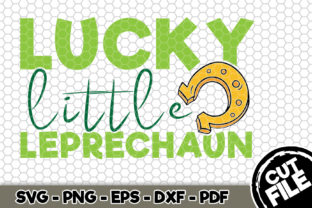
Lucky Little Leprechaun Embroidery Review
As a designer who spends half my life staring at stitch lines and the other half worrying about client satisfaction, I don’t just look at an embroidery file; I look at its potential. When I pulled up Lucky Little Leprechaun, a graphic originally categorized under Crafts and Graphics, my first thought wasn’t about its origin as a cutting file for Cricut or Silhouette machines. It was about how it would translate to thread. St. Patrick’s Day is a massive revenue driver for small businesses, Etsy sellers, and handmade shop owners, but the market is flooded with generic shamrocks and cliché green text. The real challenge—and opportunity—lies in execution.
I evaluated this design not just as a digital asset, but as a physical product waiting to happen. Here is my practical breakdown of how Lucky Little Leprechaun performs in real-world embroidery scenarios, where it shines, and where you need to be careful before you start stitching.
First Impressions: Mood and Visual Personality
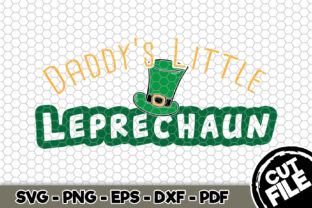
The immediate vibe of Lucky Little Leprechaun is playful but clean. In the world of holiday embroidery, "cute" can easily tip over into "cheap" if the details aren't balanced. This design strikes a middle ground that works exceptionally well for boutique branding and personalized gifts. The layout suggests a character-driven approach rather than just a standalone symbol, which gives it more narrative weight on a finished product.
For an embroiderer, the visual personality matters because it dictates the customer’s emotional response. A busy, cluttered design can feel overwhelming on a tote bag or a baby onesie. Lucky Little Leprechaun appears to have enough negative space to breathe, which is crucial for maintaining clarity when converted from a vector graphic into a machine embroidery design. It feels like a design that invites interaction—perfect for a child’s apparel or a festive kitchen towel. It doesn’t scream for attention; it smiles at it. That subtlety is often what separates a mass-produced item from a high-quality handmade product.
Real-World Application: Where This Design Shines
Let’s talk about actual use cases. I’ve tested similar graphics on various substrates, and here is where Lucky Little Leprechaun fits best:
- Custom Apparel and Sweatshirts: This design has the right balance of detail to work on mid-weight cotton blends. On a sweatshirt, the contrast between the thread and the fabric will highlight the character’s features without getting lost in the texture of the fleece. It’s ideal for those "lucky" themed crewnecks that sell out quickly in late February.
- Tote Bag Designs: Canvas is a forgiving fabric, but it can distort if the stitch density is too high. Because this graphic likely relies on clean lines and defined shapes, it translates beautifully to a canvas tote. It adds a touch of whimsy that makes the bag stand out in a craft fair setting or as a branded giveaway for a creative entrepreneur.
- Baby Embroidery and Nursery Decor: Soft fabrics require gentle handling. If the design uses satin stitches sparingly and relies on fill stitches for color blocks, it will lay flat against delicate baby clothes. It’s perfect for personalized gifts for new parents celebrating a spring birthday or a St. Patrick’s Day arrival. The softness of the theme aligns well with nursery decor items like pillow covers or quilt squares.
- Embroidered Patches and Aprons: For commercial embroidery projects, durability is key. An apron sees a lot of washing and movement. A well-executed version of this design, anchored with proper stabilizer, will hold up. It adds a professional yet fun touch to kitchen towels or chef coats, making it a great addition to a small shop product line focused on home goods.
However, keep in mind that since this originates as a graphic for cutting programs like Cricut Explore or Silhouette, converting it to a true machine embroidery design requires thoughtful digitizing. The original file might lack the necessary underlay stitches to stabilize the fabric during the run. You are essentially buying a template, not a ready-to-stitch file, unless explicitly stated otherwise by the creator.
Where to Be Careful: Limitations and Risks
No design is universal, and Lucky Little Leprechaun has specific areas where it might struggle if you aren’t paying attention:
- Small Hoop Sizes: If you attempt to shrink this design down to fit a 4x4 hoop or smaller, you risk losing critical details. Tiny lettering or fine facial features can merge together, resulting in a muddy, unrecognizable image. Always check the minimum recommended size before committing to a small project like a hat brim or a tiny pocket.
- Textured and Stretchy Fabrics: While canvas is good, highly textured fabrics like heavy bouclé wool or thin, stretchy jersey knits can distort the shape. On stretchy fabric, the tension of the threads can cause puckering. If you’re working on a cap or a curved surface, ensure you have a stiffener or proper backing to keep the design taut.
- Dense Stitch Areas: If the digitized version includes large areas of dense fill stitch, it can make the final product stiff and uncomfortable, especially on baby clothes or lightweight tees. Evaluate the stitch density carefully. If it feels too heavy, consider using applique techniques to reduce bulk while maintaining the visual impact.
- Dark Fabric Contrast: The effectiveness of any embroidery file depends heavily on thread colors. On dark backgrounds, you may need to add a white underlay or light-colored backing to prevent the thread colors from looking dull. Test your thread choices against the actual fabric you plan to use.
Practical Designer Notes for Success
To get the most out of Lucky Little Leprechaun and ensure your customers are happy, follow these practical steps:
- Test on Scrap Fabric First: Never jump straight into your final product. Run the design on a scrap piece of the same fabric type. This allows you to see how the thread interacts with the material and adjust tension if needed.
- Review Stitch Density and Underlay: Since this is adapted from a cutting graphic, pay close attention to the underlay stitches. They are the foundation of a clean embroidery job. Without them, even the best design will look sloppy.
- Inspect Small Details: Zoom in on the digitized file. Are the eyes distinct? Is the hat shape clear? If details are too small, they won’t survive the stitching process. You may need to simplify the design slightly for better clarity.
- Check Licensing for Commercial Use: As an Etsy seller or small business owner, you must confirm whether you have the rights to sell finished items made from this design. Some graphics are for personal use only. Violating licensing terms can lead to serious legal issues and damage your brand reputation.
- Use Proper Stabilizer: Choose a stabilizer that matches your fabric weight. Cut-away stabilizer is usually best for garments that will be washed frequently, while tear-away might suffice for one-time decorative items like greeting cards or temporary patches.
- Black and White Mockups: View your design in grayscale to check contrast. Sometimes vibrant colors hide poor contrast in the actual stitch placement. Ensuring strong contrast guarantees readability regardless of the thread colors chosen.
Final Verdict
Lucky Little Leprechaun is a versatile, charming graphic that holds significant potential for holiday-themed merchandise. It appeals to a broad audience, from hobbyists making personalized gifts to professional decorators creating custom apparel. Its strength lies in its approachable aesthetic, which fits seamlessly into the curated, handmade vibe that consumers crave on platforms like Etsy and at local craft fairs.
However, success depends entirely on your digitizing skills and material choices. Treat it as a starting point, not a finished solution. By testing thoroughly, respecting fabric limitations, and ensuring proper licensing, you can turn this simple graphic into a profitable, high-quality embroidery project. Whether you’re adding it to a tote bag design collection, creating holiday embroidery specials, or expanding your digital product previews, this design offers a solid foundation for creative expression. Just remember: the magic isn’t just in the file; it’s in the execution.