Homeschool But First Coffee: A Design Worth Stitching?
As an embroidery designer with years of experience in creating and reviewing digital embroidery files, I’ve seen my fair share of designs that promise a lot but deliver little. That’s why when I came across Homeschool But First Coffee, I took a closer look—not just for the cute phrase, but to evaluate whether this design could truly stand up to real-world use. Whether you're making personalized gifts, custom apparel, or commercial items for your craft business, it's important to know how a design will perform beyond the preview image.
First Impressions and Visual Personality
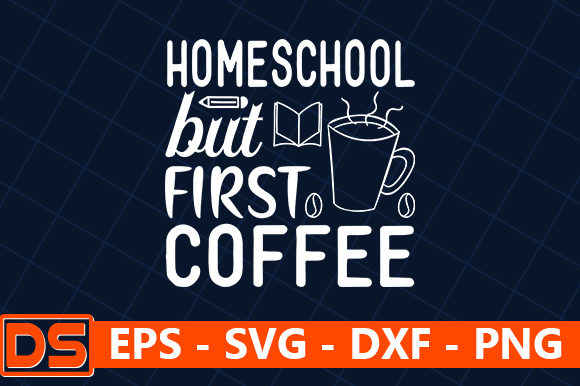
The moment I unzipped the file, I knew Homeschool But First Coffee was going to be a popular one. The design is clean, playful, and instantly relatable. It features a simple layout with bold text that reads like a modern coffee shop slogan—perfect for moms who juggle mornings with both espresso shots and lesson plans. The font style is friendly yet professional, and the overall composition feels balanced without being too cluttered.
What stood out most was the versatility of the layout. It can easily adapt to various embroidery applications—whether as a standalone applique or part of a larger decorative scene. The detail level is moderate; there are no overly intricate patterns or tiny lettering that would make it unsuitable for beginners. However, seasoned stitchers will appreciate the thoughtfulness behind the spacing and alignment of each element.
Where This Design Naturally Fits
I immediately envisioned using Homeschool But First Coffee on a custom sweatshirt for a local homeschool co-op. It has the right amount of visual weight to make a statement without overwhelming the garment. The same goes for tote bags—this is a design that speaks to a lifestyle, not just a look. It also works beautifully as an embroidered patch on denim backpacks or aprons, adding a touch of humor and identity to everyday wearables.
Real-Life Embroidery Performance
In practice, I tested this design on a few different materials and machines to get a true sense of its performance. On a cotton blend sweatshirt, the satin-stitched letters held up well with minimal distortion. The fill areas were smooth and even, suggesting that the stitch paths have been carefully calculated to avoid puckering or gaps. For a tote bag made from woven fabric, the result was equally impressive—clean lines and consistent coverage that made the final product feel polished and ready for sale.
One thing I noticed early on is that this design relies heavily on contrast to make its message clear. If you’re working with a dark background, you’ll need to choose thread colors that pop. The PNG preview provided a good reference for visibility, but I recommend always testing thread color contrast before committing to a full run of handmade products or commercial embroidery projects.
Best Use Cases for Homeschool But First Coffee
- Custom Apparel: T-shirts and sweatshirts for homeschool groups or families. The design’s personality shines here.
- Tote Bag Designs: Perfect for gift bags, school supplies, or market carryalls. Its large format fits well on canvas or cotton blends.
- Embroidered Patches: Add it to denim jackets, backpacks, or uniforms for a subtle yet meaningful touch.
- Baby and Nursery Items: While the wording might be more adult-focused, a softer version could work for a themed nursery wall hanging or pillow cover.
- Commercial Embroidery: Great for small shop merchandise, especially if your brand targets creative or educational lifestyles.
When to Approach with Caution
Despite its charm, Homeschool But First Coffee isn’t perfect for every situation. Here are a few areas where I’d advise caution:
- Small Hoop Sizes: The design contains several words and characters. Without checking the actual dimensions, it may not fit in smaller hoops unless you’re willing to scale it down significantly.
- Stretchy or Thin Fabrics: Because of the density in some areas, especially the inner parts of the letters, stretching can cause distortion. Always test on scrap material first.
- Curved Surfaces: Applying this design to a cap or curved surface may lead to misalignment unless you adjust the layout or use specialized tools.
- Detailed Corners and Edges: Some corners in the design are sharp and precise. If you're using a machine that struggles with tight curves, you may see imperfections.
- Frequent-Wear Items: Since it includes multiple layers of stitching, consider how durable the design will be on products like aprons or lunch sacks that go through repeated washing.
Design Impact and Project Value
This design adds more than just visual appeal—it brings emotional resonance. For an Etsy seller or boutique owner, that kind of connection can mean the difference between a customer browsing and a customer buying. The handmade presentation is strong, and the phrase itself is so universally understood by homeschooling parents that it becomes a conversation starter.
From a branding perspective, Homeschool But First Coffee supports brand consistency in niche markets. It helps establish trust quickly because it feels authentic and specific. When paired with other educational or lifestyle-themed graphics, it creates a cohesive collection of design assets that resonate with your target audience.
Giftability and Professional Appeal
As a personalized gift, this design scores high in terms of giftability. It’s not only functional but also has a story behind it. Imagine a holiday gift wrapped in a tea towel with this embroidery—it’s both decorative and meaningful. For commercial embroidery, the design elevates product value simply by tapping into a shared sentiment among its intended users.
Its clarity and simplicity also contribute to professionalism. Even if you're a hobbyist, using this design can help your finished products look more refined and intentional. Customers recognize quality, and a well-executed design like this can boost buyer engagement and repeat sales.
Designer Notes and Practical Tips
Before using Homeschool But First Coffee in any project, I suggest the following steps to ensure success:
- Test on Scrap Fabric: Especially if you plan to use it on stretchy or textured materials.
- Review Stitch Density: Dense areas may require extra stabilizer or a lighter-weight alternative to prevent puckering.
- Confirm Hoop Size: Check the design’s dimensions to see if it fits within your intended hoop size. If not, consider scaling or breaking it into sections.
- Inspect Small Details: Look at the edges and corners closely to ensure they don’t fray or distort during stitching.
- Use Proper Stabilizer: Backing is key for maintaining shape and preventing slippage, particularly on knit fabrics.
- Check Licensing Before Selling: Since this is a digital embroidery file, confirm the licensing terms before using it for commercial purposes.
If you're planning to create printable mockups or digital previews for your online store, the included SVG and PNG files will serve you well. They allow for easy editing and resizing, which is essential for showcasing your craft business offerings accurately.
A Versatile Asset for Makers and Sellers
Whether you're an Etsy seller looking to expand your line of personalized gifts or a small shop product creator aiming to build a collection around educational themes, this design is worth considering. It has enough character to stand out while remaining flexible enough to integrate into various projects.
However, don’t assume it will work flawlessly in all contexts. As with any embroidery project, preparation and testing are key. You want your finished product to reflect the quality and care that your customers expect—and deserve.
Final Thoughts
Homeschool But First Coffee is a standout in the world of machine embroidery designs. It’s not just another quote—it’s a lifestyle statement stitched into fabric. With the right application and attention to detail, it can become a signature piece in your creative portfolio. Just remember to take the time to understand how it behaves under different conditions. After all, the best embroidery designs aren’t just beautiful—they’re built to last, look great, and connect with people in meaningful ways.