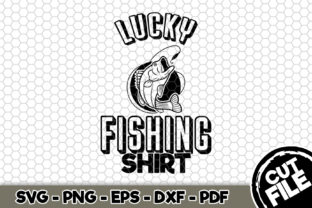
Lucky Fishing Shirt Embroidery Review
As a designer who spends half my life staring at stitch density charts and the other half trying to convince clients that "simple" embroidery is actually quite complex, I approach every new design file with a healthy dose of skepticism. We are constantly bombarded with digital assets promising to revolutionize our craft businesses, but few actually hold up when transferred from a screen to a hoop. Today, I am putting Lucky Fishing Shirt through its paces. This graphic, categorized under Crafts and Graphics, claims to be a versatile asset for cutting machines like Cricut Explore and Silhouette, but the real question for us embroiderers is whether it translates well into thread.
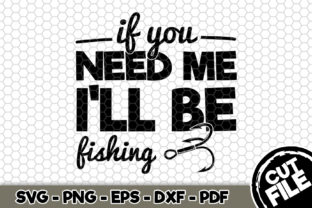
The first impression of this design is one of relaxed confidence. It captures a specific mood—one of leisure, outdoor appreciation, and casual pride. For those of us creating custom apparel or personalized gifts, capturing that exact vibe is often harder than stitching the actual image. The layout feels balanced, avoiding the cluttered look that plagues many novelty designs. It doesn’t scream for attention; instead, it invites the wearer to appreciate the subtle humor and aesthetic. This subtlety is crucial. In a market saturated with loud, over-designed merchandise, a design that whispers rather than shouts often commands higher perceived value. It suggests a buyer who knows what they like without needing to announce it to the world.
Real-World Application: From Screen to Stitch
Let’s talk about where this design truly shines. I recently had a client request a matching set for a father and son fishing trip. They wanted something that felt personal but not childish. Lucky Fishing Shirt was the perfect candidate. I envisioned this on a high-quality cotton twill cap or perhaps a heavyweight sweatshirt for early morning mornings by the lake. The design’s clean lines translate beautifully to satin stitch outlines, providing a crisp edge that looks professional even on textured fabrics.
For the small business owner or Etsy seller, this design offers versatility. It works exceptionally well as an embroidered patch, which can be ironed or sewn onto denim jackets, canvas tote bags, or baby onesies. The theme appeals to a broad demographic, from seasoned anglers to parents buying gifts for their children. When I mock up this design on a dark navy fabric, the contrast pops, suggesting that light-colored threads will create a striking visual impact. However, the true test of any machine embroidery design is how it handles different garment types.
I also see potential in the nursery decor space. While the theme is fishing, the playful nature of the quote makes it suitable for a child’s room, especially if paired with soft pastel thread colors. It bridges the gap between adult hobbies and family life, making it a strong contender for personalized gift packages. Imagine a complete gift box containing a printed recipe card, a fishing-themed tag, and a small embroidered towel featuring this design. The cohesion of the branding would be immediate and appealing.
Technical Considerations and Fabric Compatibility
No design is perfect for every surface, and honest review requires acknowledging limitations. Lucky Fishing Shirt performs best on stable, medium-weight fabrics. If you are planning to use this on thin jersey or highly stretchy materials, you must be cautious. Without proper stabilization, the tension could cause puckering, ruining the clean aesthetic of the original graphic. I strongly advise using a cut-away stabilizer for knits to ensure the design maintains its shape after washing.
Another area requiring careful thought is the stitch density. While the design appears simple, some elements may rely on dense fill stitches to achieve full coverage. On curved surfaces like the front panel of a baseball cap, this density can make the embroidery feel stiff and uncomfortable. If you are producing custom apparel for commercial sale, comfort is just as important as appearance. You might need to reduce the stitch count or simplify certain areas if you plan to sell these items directly to consumers who prioritize wearability.
Furthermore, consider the fabric texture. Linen or raw cotton blends can hide fine details, causing the smaller text or intricate parts of the graphic to blur. In such cases, sticking to larger font sizes or simpler line work within the design ensures readability. Always test your chosen thread colors against your specific fabric batch. What looks vibrant on a monitor might appear muddy on a heather gray shirt due to the underlying fabric color showing through lighter threads.
Strategic Value for Craft Businesses
From a marketing perspective, Lucky Fishing Shirt is a low-risk, high-reward asset. It taps into a passionate community without being overly niche. It is not limited to hardcore fishermen; it appeals to anyone who enjoys the outdoors or appreciates witty, lifestyle-oriented graphics. This broad appeal increases your potential customer base, which is vital for Etsy sellers and small shop product creators looking to scale.
The design also lends itself well to printable mockups. Because the graphic is clean and uncluttered, it photographs beautifully on various backgrounds. This allows you to create compelling listings that showcase the design in multiple contexts—on a hat, a bag, and a wall hanging—without needing to produce physical samples for every single variation. This efficiency is key for digital product sellers and those managing inventory constraints.
However, we must address the licensing aspect. The description notes that the file can be imported into paper crafting programs. This raises questions about its suitability for commercial embroidery. Before you start mass-producing finished products, you must verify the license terms. Does the purchase allow for unlimited commercial use? Are there restrictions on the number of units sold? Assuming the file is intended primarily for cutting machines, adapting it for embroidery might require additional digitizing work or confirmation that the source artist permits cross-media usage. Protecting your business means doing this homework upfront.
Practical Designer Notes for Implementation
- Test on Scrap: Never commit to a final product without running a test stitch on scrap fabric. Check for thread breaks, tension issues, and overall stability.
- Black and White Mockup: View your design in grayscale to ensure sufficient contrast between different elements. This helps identify areas where details might get lost.
- Hoop Size Verification: Confirm the hoop size requirements of the digitized file. A design that is too large for standard hoops may require multi-hooping, which introduces registration risks.
- Stabilizer Selection: Use the appropriate stabilizer for your fabric type. Tear-away for wovens, cut-away for knits, and water-soluble for delicate projects.
- Thread Quality: Invest in high-quality polyester or rayon threads. Cheap threads can break frequently and lack the sheen that elevates a finished product.
In conclusion, Lucky Fishing Shirt is a solid addition to any designer’s library, provided you understand its strengths and limitations. It offers a charming, versatile aesthetic that fits seamlessly into the craft business landscape. Whether you are creating a unique holiday embroidery piece or expanding your catalog of design assets, this graphic provides a reliable foundation for creative expression. By approaching it with technical diligence and strategic foresight, you can turn a simple digital file into a profitable, beloved handmade product.