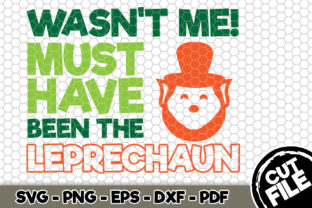
Wasn t Me Must Have Been the Leprechaun
As a seasoned embroidery designer and product reviewer, I always approach a new design with both curiosity and caution. The Wasn t Me Must Have Been the Leprechaun machine embroidery design caught my eye not just for its festive St. Patrick’s Day theme, but also for how it could add personality to real-world projects. Let me walk you through my evaluation of this graphics file from a practical, project-ready perspective.
A Playful Yet Purposeful Design
The first thing that stands out about this design is its whimsical charm. Featuring a cheeky little leprechaun alongside the phrase “Wasn t Me Must Have Been the Leprechaun,” it immediately evokes a sense of lighthearted mischief. The layout is balanced—neither too cluttered nor too sparse—and the character feels lively without overwhelming the text. It has a clean, hand-drawn aesthetic that works well in paper crafting programs like Cricut Explore and Silhouette, which means it likely translates smoothly into digital embroidery files.
From a visual standpoint, the design has a strong thematic identity. The leprechaun is stylized enough to feel original but familiar enough to be instantly recognizable. This kind of character-driven quote makes it ideal for products where storytelling matters, such as personalized gifts or boutique branding items. Its mood is playful and forgiving—perfect for those who want to inject some humor into their handmade product lineup.
Real-World Embroidery Applications
Let’s imagine a scenario: You’re an Etsy seller preparing custom embroidered sweatshirts for a St. Patrick’s Day collection. You want something unique yet approachable, and this design fits the bill. When stitched onto a medium-weight cotton blend, the leprechaun pops with clear outlines and the quote remains legible even after several passes. It's especially effective when using satin stitch on the main elements and fill stitch for the background, giving it a polished finish without being overly fussy.
This design also shines in tote bag embroidery. The flat nature of the canvas allows the full shape and details of the leprechaun to come through clearly. Whether you're creating holiday gifts or everyday carry-all bags, the message adds a touch of humor and nostalgia. For baby items, like onesies or bibs, it can work well if scaled down—but keep an eye on the tiny lettering and facial features to ensure they remain intact after stitching.
Another use case is embroidered patches. The design’s compact composition and clear lines make it suitable for patchwork projects. It could be a great addition to denim jackets or backpacks, especially if paired with other seasonal motifs. Just remember that dense stitch areas might require extra stabilizer, depending on your fabric choice.
Where to Use With Care
- Small hoop sizes: While the design is manageable in most cases, if you're working within tight dimensions (like under 4 inches), consider simplifying the elements or focusing on the quote alone.
- Textured fabrics: On flannel or canvas, the fine details may become muddled. A test run on scrap material will help determine visibility.
- Thin or stretchy materials: Delicate fabrics like silk or spandex may struggle with the heavier parts of the design. Adjust stitch density or choose a lighter thread weight to avoid puckering.
- Dark fabric backgrounds: Thread color contrast is key here. If you plan to use dark shades, make sure the embroidery colors are bold enough to stand out.
- Curved surfaces: When applying the design to caps or curved hats, the leprechaun’s face and body orientation should be reviewed carefully to maintain proportion and clarity.
- Frequent washing: If you're making kitchen towels or nursery decor, check that the design holds up over time. High stitch density can lead to wear and tear, so a good stabilizer is essential.
Design Impact on Product Value and Branding
One of the biggest considerations for any embroidery designer is how a design affects the overall value and perception of the finished product. “Wasn t Me Must Have Been the Leprechaun” brings a level of warmth and character that appeals to customers looking for something more than just a logo. It tells a story, which can enhance buyer engagement and giftability.
For small shop owners or craft business operators, this design offers a way to stand out during the holidays. It's versatile enough to fit into a range of handmade product categories—from custom apparel to decorative home goods. However, if you're aiming for a minimalist or modern brand aesthetic, the design might feel a bit too traditional or busy. Always test it in black-and-white mockups to see if it still communicates effectively without color.
On darker fabric, the design loses some of its vibrancy unless the thread colors are carefully selected. Lighter tones like cream, pastel green, or white tend to showcase the leprechaun best. Also, because it contains detailed corners and intricate shapes, using the right stabilizer is crucial to prevent distortion during sewing.
Practical Designer Notes
- Test before committing: Always try the design on scrap fabric similar to what you’ll use in production. Check how the stitches lay and whether the image maintains its integrity.
- Review stitch density: Dense stitch areas can cause tension issues or damage delicate fabrics. Adjust accordingly based on your machine settings and material.
- Confirm hoop size: If the design stretches across multiple hoops or requires precise alignment, factor that into your workflow planning.
- Inspect small details: The leprechaun’s facial expressions and clothing patterns are subtle but important. Make sure they don’t get lost in translation during digitization.
- Use proper stabilizer: Especially for stretchy or thin materials, a good backing will make all the difference in stitch quality and durability.
- Check licensing: Before selling finished items or digital embroidery files, verify the license terms to ensure compliance with commercial use restrictions.
Handmade Presentation and Professionalism
When used correctly, this design elevates the handmade presentation of your project. It feels intentional and thoughtful, which is exactly what customers look for in personalized gifts and boutique merchandise. As someone who often reviews designs for client projects, I appreciate when a file doesn’t just look good digitally, but performs well in real-life stitching scenarios.
However, there’s a line between charming and cluttered. The leprechaun’s hat and beard contain enough detail to be engaging, but they aren’t so complex that they risk becoming distracting. That balance is rare and valuable for anyone in the craft business or running an Etsy shop. It helps maintain brand consistency by fitting into a broader seasonal or thematic collection without clashing.
Customer trust is also influenced by the quality of the embroidery. If the design looks rushed or poorly applied, it can reflect badly on your professionalism. Taking the time to evaluate how “Wasn t Me Must Have Been the Leprechaun” interacts with your chosen fabric and machine settings will help you deliver a premium finished product.
Final Thoughts for Real Projects
In short, the Wasn t Me Must Have Been the Leprechaun embroidery design is a solid option for St. Patrick’s Day-themed projects. It’s got enough personality to make your products memorable while remaining flexible enough to adapt to different uses. But like any design, its success depends on how well it’s implemented.
If you're an embroidery hobbyist or a creative entrepreneur building out a seasonal line, this design can serve as a great conversation starter. Just remember to account for the nuances of fabric texture, lighting conditions, and stitch behavior. A little preparation goes a long way in ensuring your final product looks as good as it reads.
Whether you're stitching a tote bag design or adding a touch of Irish luck to a sweatshirt embroidery, let the design speak for itself—but only after you’ve given it the attention it deserves.